
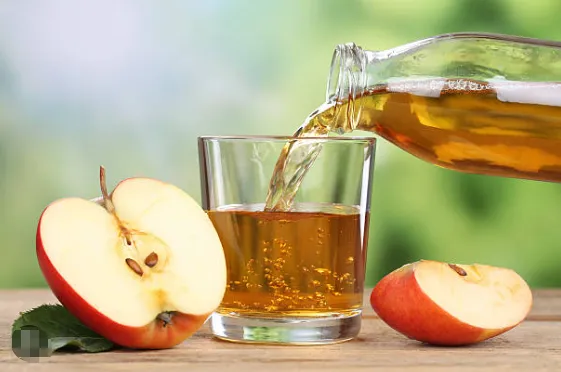
Apple juice production is one of the most common entry points for fruit processing businesses. For beginners, understanding the industrial process is essential for building an efficient and profitable production line.
The first step is raw apple selection. Apples should be fresh, ripe, and free from rot or damage. Different apple varieties affect sweetness, acidity, and juice yield.
After selection, apples are thoroughly washed using bubble washers or spray systems. Clean water circulation ensures removal of dirt and contaminants.
Next, apples are crushed into pulp. Uniform crushing improves juice extraction efficiency. The pulp is then preheated to inactivate enzymes that could cause browning and flavor changes.
Juice extraction is performed using presses or centrifugal extractors. The extracted juice may contain pulp and solids, so it undergoes filtration or clarification.
Pasteurization is applied to ensure safety and extend shelf life. Temperature must be controlled to preserve nutrients and natural flavor.
For concentrate production, the juice is processed in vacuum evaporators to remove water and increase Brix levels.
Finally, the juice is filled into containers using hygienic systems. Aseptic filling is preferred for long shelf life without preservatives.
Key considerations for beginners:
- Choose the right equipment capacity
- Ensure proper hygiene and cleaning systems
- Control processing temperature carefully
- Select suitable packaging options
- Plan for scalability
With proper planning and equipment selection, apple juice production can be a stable and profitable business.