
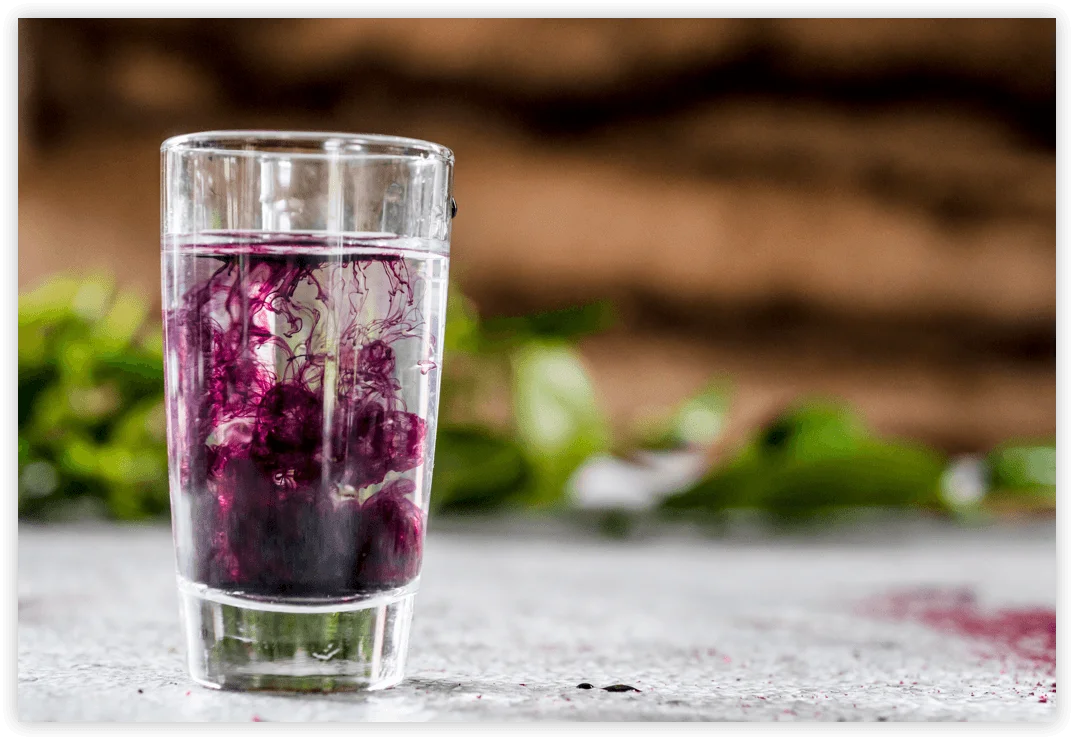
Berry juice processing has become an increasingly important segment in the fruit beverage industry due to the rising demand for antioxidant-rich and functional drinks. In China, industrial berry juice processing lines are designed to handle a wide variety of berries such as strawberries, blueberries, raspberries, blackberries, and cranberries, each with different structural characteristics and processing requirements.
The production process begins with raw material selection and grading. Berries are highly perishable and sensitive to mechanical damage, so gentle handling is critical. Automated sorting systems, including optical sorters, are often used to remove unripe, moldy, or damaged fruits. This step directly impacts the final juice color, taste, and safety.
Next is the washing stage, typically using bubble washing or spray systems. Because berries have delicate skins, washing intensity must be carefully controlled to avoid breakage and juice loss. Some processing lines incorporate ozone or mild disinfectants to further reduce microbial load.
After cleaning, berries are transferred to the crushing and pulping system. Due to their soft structure, berries do not require heavy crushing force. Instead, low-shear crushers are used to preserve natural aroma and prevent excessive seed breakage, which can introduce bitterness. Multi-stage pulping systems then separate skins, seeds, and fibers, producing a smooth juice or puree.
One key challenge in berry processing is enzyme activity, especially polyphenol oxidase, which can cause rapid oxidation and discoloration. Therefore, preheating or enzyme inactivation is performed shortly after crushing, typically at controlled temperatures to preserve anthocyanins (natural pigments).
For clear juice products, enzymatic treatment and clarification may be applied. Pectinase enzymes help break down pectin, improving juice yield and clarity. This is followed by filtration or centrifugation to remove suspended solids.
In some cases, juice is sent to a vacuum concentration system to produce berry juice concentrate. Low-temperature evaporation preserves flavor compounds and nutritional value while achieving desired Brix levels.
Sterilization is carried out using plate or tubular pasteurizers, ensuring microbial safety without compromising color and taste. Finally, the juice is filled using aseptic or hot-filling systems, depending on packaging requirements such as PET bottles, glass bottles, or aseptic bags.
Modern berry juice processing lines in China emphasize:
- Gentle handling to protect fruit integrity
- High retention of natural color and antioxidants
- Flexible processing for multiple berry types
- Automated cleaning and hygiene control (CIP systems)
- Energy-efficient heat recovery systems
With proper engineering design, berry juice manufacturers can achieve high yield, stable quality, and strong market competitiveness in both domestic and export markets.