
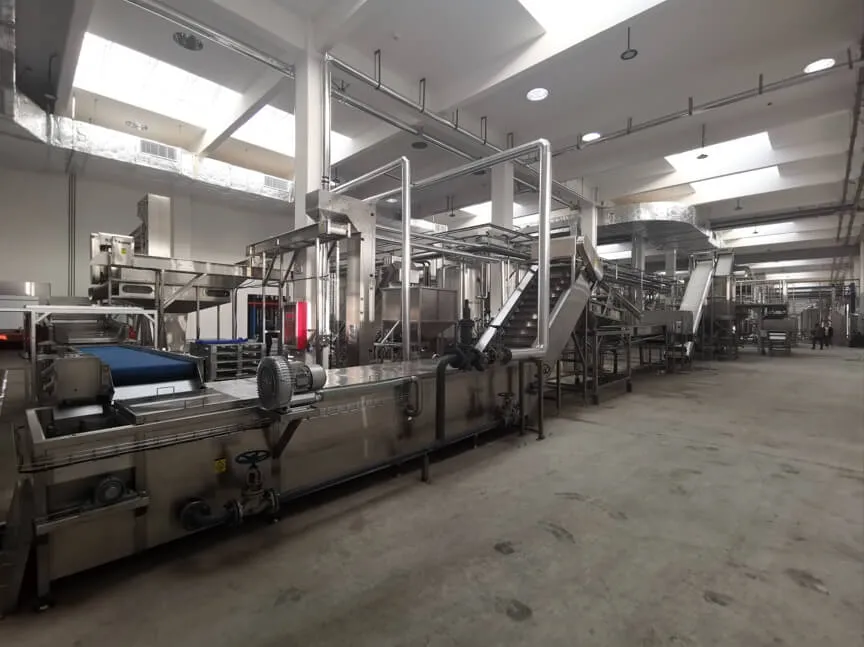
As global demand for high-quality fresh produce continues to rise, fruit processors are upgrading their production lines with advanced fruit grading equipment to improve accuracy, throughput, and consistency. In 2026, grading technology has become more intelligent and more adaptable, offering solutions for small farms, commercial packhouses, and large industrial fruit-processing factories.
1. What Is Fruit Grading Equipment?
Fruit grading equipment is a specialized machine designed to sort fruits based on various quality indicators such as:
- Size
- Weight
- Color
- Shape
- External defects
- Internal quality (with optional sensors)
These machines ensure consistent quality, reduce labor cost, and enhance efficiency in fruit-processing and packing operations.
2. Core Technologies Used in Modern Fruit Grading Systems
(1) Weight Grading / Electronic Weighing
Digital load cells weigh individual fruits with ±0.5–1 g accuracy.
Suitable for apples, citrus, avocados, mangoes, passion fruits, etc.
(2) Size Grading
Based on diameter measurement using:
- Mechanical rollers
- CCD / CMOS cameras
- 3D laser scanning
Ideal for round fruits like oranges, apples, plums, kiwi, and tomatoes.
(3) Color & Surface Quality Sorting
Equipped with industrial vision systems (RGB + NIR cameras), allowing:
- Color uniformity detection
- Ripeness evaluation
- Surface defects recognition (spots, bruises, scars, rot)
(4) Internal Quality Detection (Optional High-End)
Using multispectral and NIR sensors to detect:
- Brix/sugar level
- Internal browning
- Watercore
- Internal mold
Advanced systems are commonly used for apples, pears, citrus, and mangos.
(5) Conveyor & Cup-Type Grading Mechanisms
Two mainstream structures:
- Cup-type grader – for individual fruit precision grading
- Roller conveyor grader – for continuous feeding and optical scanning
High stability, low fruit damage, and continuous industrial throughput.
3. Key Technical Features to Consider in 2026
✔ Accuracy & Sensor Technology
Choose systems using:
- High-resolution cameras (4K–8K line-scan)
- Real-time AI defect recognition
- Multiple spectral combinations (RGB + NIR + UV)
These significantly improve classification accuracy.
✔ Handling Capacity
Typical capacities:
- Small line: 1–2 tons/hour
- Medium line: 3–5 tons/hour
- Industrial packhouse: 8–15+ tons/hour
Select based on expected daily output and peak season demand.
✔ Fruit Protection & Low Damage Rate
Look for:
- Soft-belt conveyors
- Shock-absorbing cups
- Smooth fruit transfer mechanism
- Adjustable speed control
A good machine keeps fruit damage rate under 0.5%.
✔ Data Collection & Traceability
Modern smart graders integrate:
- Batch tracking
- Real-time production reports
- Exportable grading data (Excel/ERP)
- Remote monitoring
This supports automation and digital management.
✔ Material Compatibility
Make sure the equipment can handle your specific fruits:
- Apples
- Oranges / citrus
- Mango
- Kiwi
- Avocado
- Tomato
- Pear
- Passion fruit
- Dragon fruit
- Cherry tomatoes
- And more
Some fruits require softer carriers or larger cups.
4. Application Areas
Fruit grading equipment is widely used in:
- Fruit processing factories
- Cold chain distribution centers
- Fresh produce warehouses
- Agricultural cooperatives
- Commercial farms
- Export-oriented packing houses
It plays a critical role in ensuring product consistency and meeting export standards.
5. How to Choose the Best Fruit Grading Equipment for Your Processing Line
When choosing a grading machine, evaluate the following:
1) Fruit Type
Different fruits require different carriers, cup sizes, and scanning modules.
2) Required Accuracy
For export markets, high-precision vision grading is essential.
3) Production Capacity
Calculate peak season demand to avoid bottlenecks.
4) Equipment Footprint
Ensure the installation area supports the length of the grading line.
5) Expandability
Choose modular systems with:
- Optional color sorting
- Defect detection
- Weight grading
- Additional exits (3–10 grades)
6) After-Sales Support
Consider the supplier’s ability to provide:
- Installation
- Training
- Remote troubleshooting
- Spare parts supply
6. Why Choose Our Fruit Grading Solutions
Our fruit grading equipment features:
- Accurate weight + size combination grading
- Low fruit damage rate
- Modular configuration for multi-fruit processing
- Stainless steel design for long-term durability
Whether you process mangoes, apples, citrus, avocados, or berries, we provide customized grading systems to match your factory layout and production demand.