
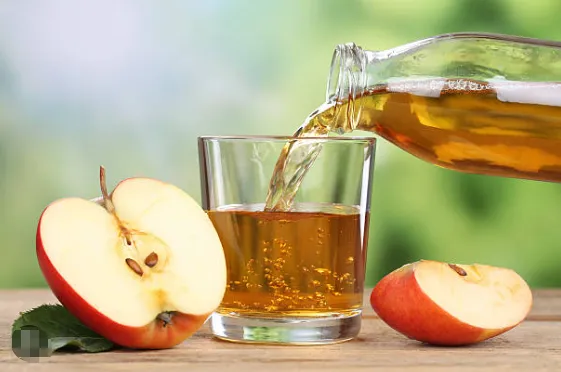
Apple juice is widely consumed for its mild flavor, natural sweetness, and convenience. However, many people wonder whether it is safe to drink apple juice after its expiration date. The short answer is: sometimes, but it depends. Several factors influence whether expired apple juice is still safe to drink, including how it was processed, stored, and whether the package has been opened.
What Does the Expiration Date on Apple Juice Mean?
Most apple juice cartons or bottles display a “best before” or “use by” date. This date is mainly an indicator of quality rather than an absolute safety deadline.
- Best before means the juice may lose flavor or nutrients after that date.
- Use by indicates a higher safety risk if consumed afterward.
However, once apple juice is opened, the expiration date becomes far less relevant.
Is It Safe to Drink Expired Apple Juice?
The safety of expired apple juice depends on several conditions:
1. Unopened Apple Juice
If the apple juice is unopened, pasteurized, and stored properly in the refrigerator, it may still be safe for a short period after the expiration date. However, over time, microbial activity and oxidation increase the risk of spoilage.
2. Opened Apple Juice
Opened apple juice should be consumed within 5–7 days, even if the expiration date has not passed. Once exposed to air, bacteria and yeast can grow quickly.
3. Fresh or Unpasteurized Juice
Freshly pressed or unpasteurized apple juice spoils rapidly and should never be consumed after the expiration date.
What Happens When Apple Juice Goes Bad?
As apple juice expires, several changes can occur:
- Fermentation: Natural sugars may ferment, producing gas and a slightly alcoholic smell.
- Microbial Growth: Bacteria, mold, or yeast can multiply, increasing the risk of foodborne illness.
- Loss of Nutrients: Vitamin C and antioxidants degrade over time.
- Changes in Taste and Appearance: Sour taste, cloudiness, or excessive foam may develop.
Health Risks of Drinking Expired Apple Juice
Consuming spoiled apple juice may cause:
- Stomach discomfort
- Nausea or vomiting
- Diarrhea
- Bloating or gas
While healthy adults may experience mild symptoms, children, elderly individuals, pregnant women, and people with weakened immune systems face higher risks.
How to Tell If Apple Juice Has Gone Bad
Always check apple juice before drinking it. Discard it immediately if you notice:
- Sour or unpleasant odor
- Mold growth
- Swollen or leaking packaging
- Excessive bubbles or foam
- Unusual taste
Even a small amount of mold means the entire container should be thrown away.
How Long Does Apple Juice Last After Opening?
- Refrigerated apple juice: 5–7 days after opening
- Shelf-stable apple juice (unopened): Several months past production date if stored properly
- Fresh apple juice: 24–72 hours
Proper refrigeration slows spoilage but does not stop it entirely.
How Apple Juice Is Preserved Commercially
Commercial apple juice producers extend shelf life through:
- Pasteurization or UHT treatment
- Aseptic filling technology
- Strict hygiene control and CIP cleaning
- Cold-chain storage and transport
These processes significantly improve safety but do not prevent spoilage after opening.