
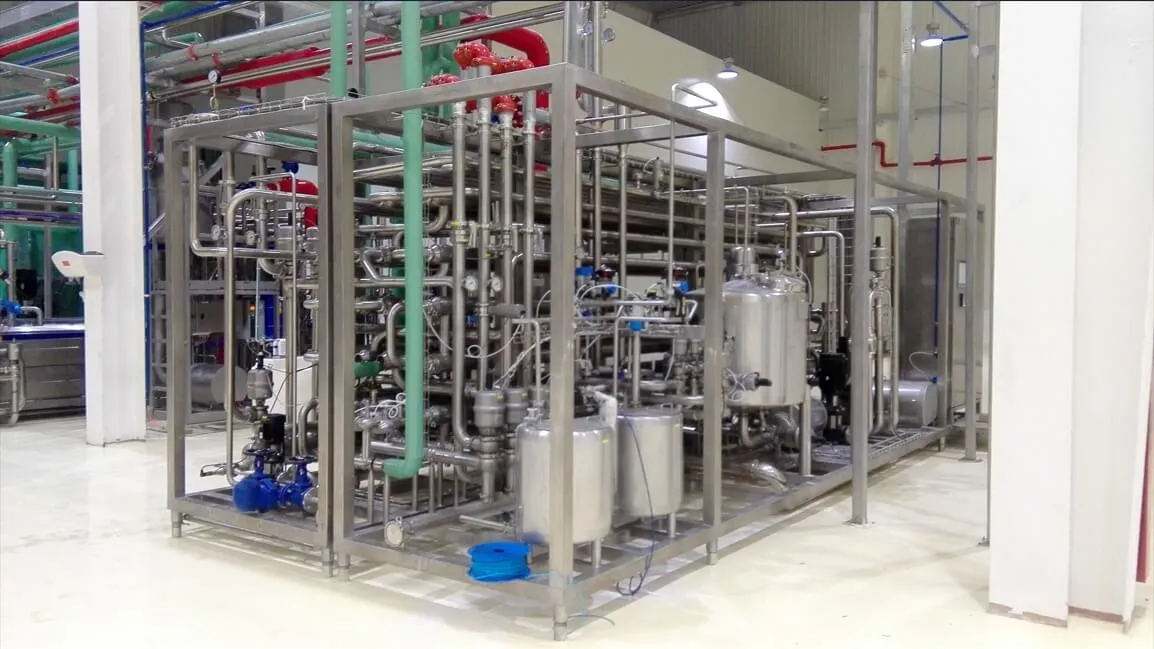
Tomato paste is one of the most widely used semi-finished food products in the global food industry. It serves as a core ingredient for sauces, ketchups, canned foods, ready meals, and food service applications. While the final product looks simple, the industrial process behind tomato paste production is highly technical, requiring precise control of temperature, concentration, hygiene, and efficiency.
This article explains how tomato paste is made in modern processing plants, from fresh tomatoes to concentrated paste, focusing on industrial-scale production.
What Is Tomato Paste?
Tomato paste is a concentrated tomato product produced by removing most of the water from fresh tomatoes. Depending on the target application, tomato paste is typically concentrated to:
- Double Concentrate: 28–30 °Brix
- Triple Concentrate: 36–38 °Brix
The concentration level determines viscosity, color intensity, flavor strength, and downstream usage.
Overview of the Tomato Paste Production Process
Industrial tomato paste production follows a continuous, hygienic, and highly automated process. The main steps include:
- Raw tomato reception and sorting
- Washing and cleaning
- Crushing and preheating
- Pulping and refining
- Evaporation and concentration
- Sterilization
- Aseptic filling or canning
Each stage plays a critical role in determining the final quality of the tomato paste.
Step 1: Tomato Receiving and Sorting
Fresh tomatoes are delivered to the processing plant during harvest season and unloaded into receiving flumes or bins.
Key Objectives:
- Remove unripe, damaged, or rotten tomatoes
- Ensure uniform raw material quality
- Protect tomatoes from mechanical damage
Sorting methods include:
- Manual sorting belts
- Roller or drum sorting systems
- Optical color sorters (for high-end plants)
High-quality raw tomatoes are essential for achieving bright red color and high lycopene content in tomato paste.
Step 2: Washing and Cleaning
After sorting, tomatoes pass through industrial washing systems that remove soil, sand, leaves, and pesticide residues.
Common Equipment:
- Bubble washing machines
- Spray washers
- Rotary drum washers
Clean water circulation and filtration systems are critical to prevent contamination and reduce water consumption.
Step 3: Crushing and Preheating
Clean tomatoes are crushed into a pulp using hammer crushers or chopper pumps. Immediately after crushing, the pulp is sent to a preheating system.
Hot Break vs. Cold Break
This stage defines the texture and viscosity of the final paste:
- Hot Break (85–95°C):
- Deactivates pectin enzymes
- Produces thicker, more viscous paste
- Preferred for ketchup and sauces
- Cold Break (60–70°C):
- Preserves fresh tomato flavor
- Lower viscosity
- Used for juice-based products
The choice depends on product positioning and customer requirements.
Step 4: Pulping and Refining
The heated tomato pulp enters pulping and refining machines that separate:
- Tomato skin
- Seeds
- Fibrous material
Typical Equipment:
- Single-stage pulpers
- Double-stage refiners
- Finisher systems with adjustable screens
This step ensures a smooth, homogeneous tomato puree, which is essential before concentration.
Step 5: Evaporation and Concentration
The refined tomato juice is concentrated by removing water through vacuum evaporation.
Why Vacuum Evaporation?
- Lower boiling temperature
- Reduced thermal damage
- Better color and flavor retention
- Higher energy efficiency
Common Systems:
- Falling film evaporators
- Multi-effect evaporators
Tomato paste is concentrated to the required °Brix level, depending on whether double or triple concentrate is produced.
Step 6: Sterilization
After concentration, tomato paste undergoes thermal sterilization to eliminate microorganisms and ensure food safety.
Sterilization Methods:
- Tubular sterilizers
- Plate heat exchangers
Precise temperature and holding time control are critical to balance microbial safety and product quality.
Step 7: Aseptic Filling or Packaging
Sterilized tomato paste is filled under aseptic conditions to prevent recontamination.
Common Packaging Formats:
- Aseptic bags in drums (200–220 L)
- Aseptic bag-in-box
- Cans or pouches (for retail products)
Aseptic drum filling is the most common format for industrial tomato paste intended for export and further processing.
Key Equipment in a Tomato Paste Processing Line
A complete tomato paste processing line typically includes:
- Tomato receiving and sorting system
- Washing machine
- Crusher and preheater
- Pulper and refiner
- Vacuum evaporator
- Sterilizer
- Aseptic filling machine
- CIP cleaning system
All equipment is manufactured using food-grade stainless steel and designed for continuous, hygienic operation.
Quality Control in Tomato Paste Production
Critical quality parameters include:
- °Brix value
- Color (a/b ratio)
- Viscosity
- pH level
- Microbiological safety
Modern processing plants use inline sensors and laboratory testing to maintain consistent quality.
So, how is tomato paste made?
It is produced through a carefully controlled industrial process that combines mechanical separation, thermal treatment, vacuum concentration, and aseptic technology. Each stage—from tomato sorting to final packaging—directly affects product quality, shelf life, and market value.
A well-designed tomato paste production line enables manufacturers to achieve:
- High yield
- Stable quality
- Energy efficiency
- Compliance with global food safety standards
For food processors aiming to scale production or enter international markets, investing in a modern tomato paste processing solution is a key competitive advantage.