
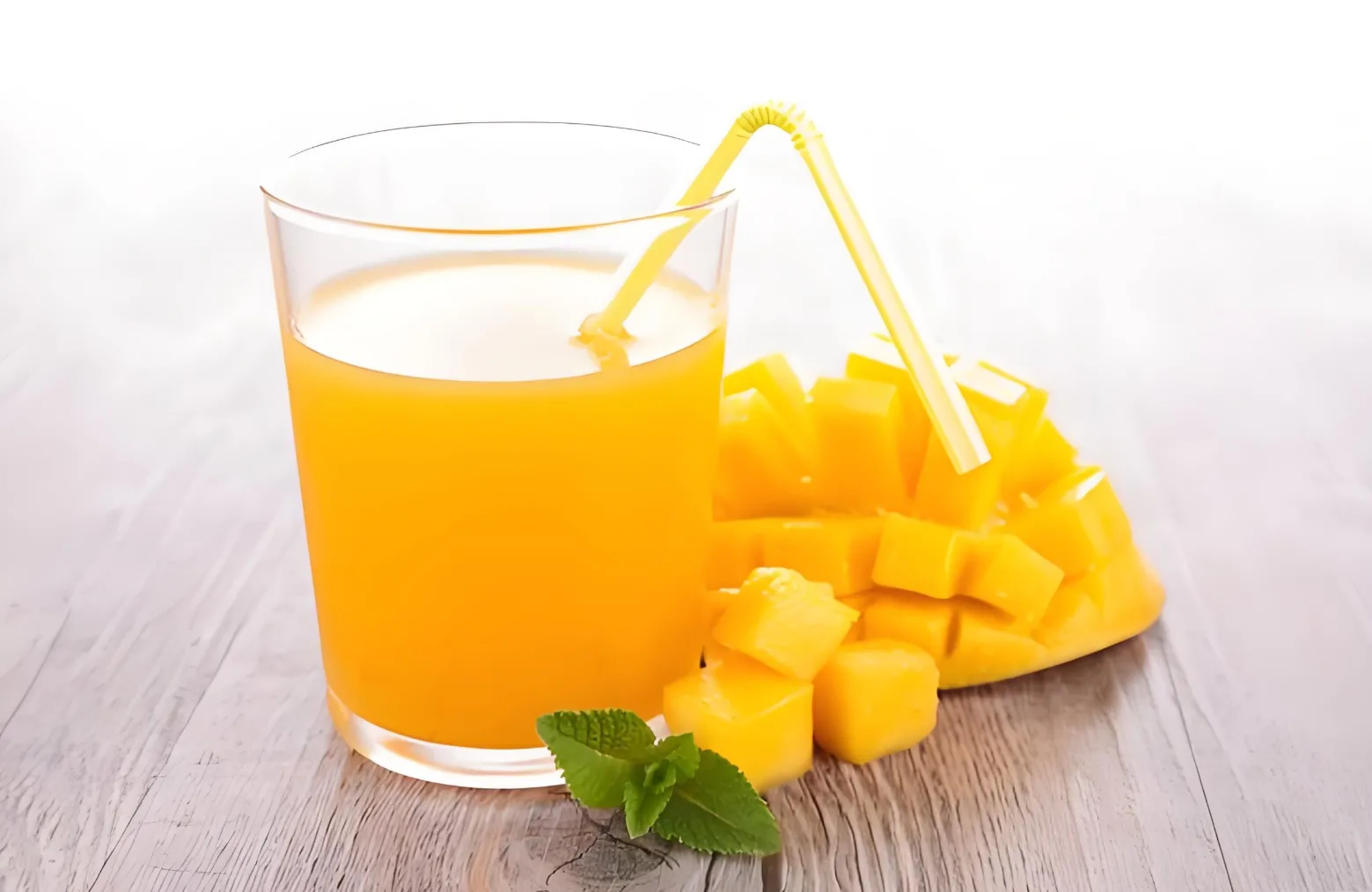
Mango is one of the most commercially valuable tropical fruits in the global beverage and food industry. However, industrial mango processing is far more complex than simple juice extraction. Mango varieties differ significantly in fiber content, sugar levels, pulp texture, and ripeness characteristics, which means processing equipment and production design must be selected carefully.
The first step when choosing a mango processing line is understanding the final product type. Mango juice, mango puree, mango pulp, mango concentrate, and mango puree for yogurt applications all require different process configurations. For example, producing mango concentrate requires vacuum evaporation systems, while NFC mango juice focuses more on freshness preservation and low-temperature processing.
Raw material characteristics also affect equipment selection. Some mango varieties contain high fiber levels, requiring stronger pulping and refining systems. Others have larger pits, which require more efficient destoning machines. If the wrong equipment is selected, pulp loss increases and processing efficiency drops significantly.
A typical industrial mango processing line includes washing, sorting, peeling, destoning, pulping, refining, deaeration, sterilization, and filling. However, the quality of each stage determines the stability of the final product. For instance, improper peeling systems can increase oxidation, while insufficient refining can affect texture consistency.
Automation level is another major consideration. Semi-automatic lines are suitable for smaller factories with flexible production needs, while fully automated systems reduce labor costs and improve consistency for large-scale operations.
Energy efficiency should also not be overlooked. Mango processing consumes considerable amounts of water, steam, and electricity. Efficient heat recovery systems and low-energy evaporators can reduce long-term operating costs substantially.
Modern mango processing lines in China increasingly integrate intelligent control systems, enabling precise monitoring of temperature, pressure, and flow rate. This improves product consistency and minimizes waste.
Ultimately, selecting the right mango processing line is not about choosing the most expensive equipment, but about building a system that matches your product positioning, raw material conditions, and long-term production goals.