
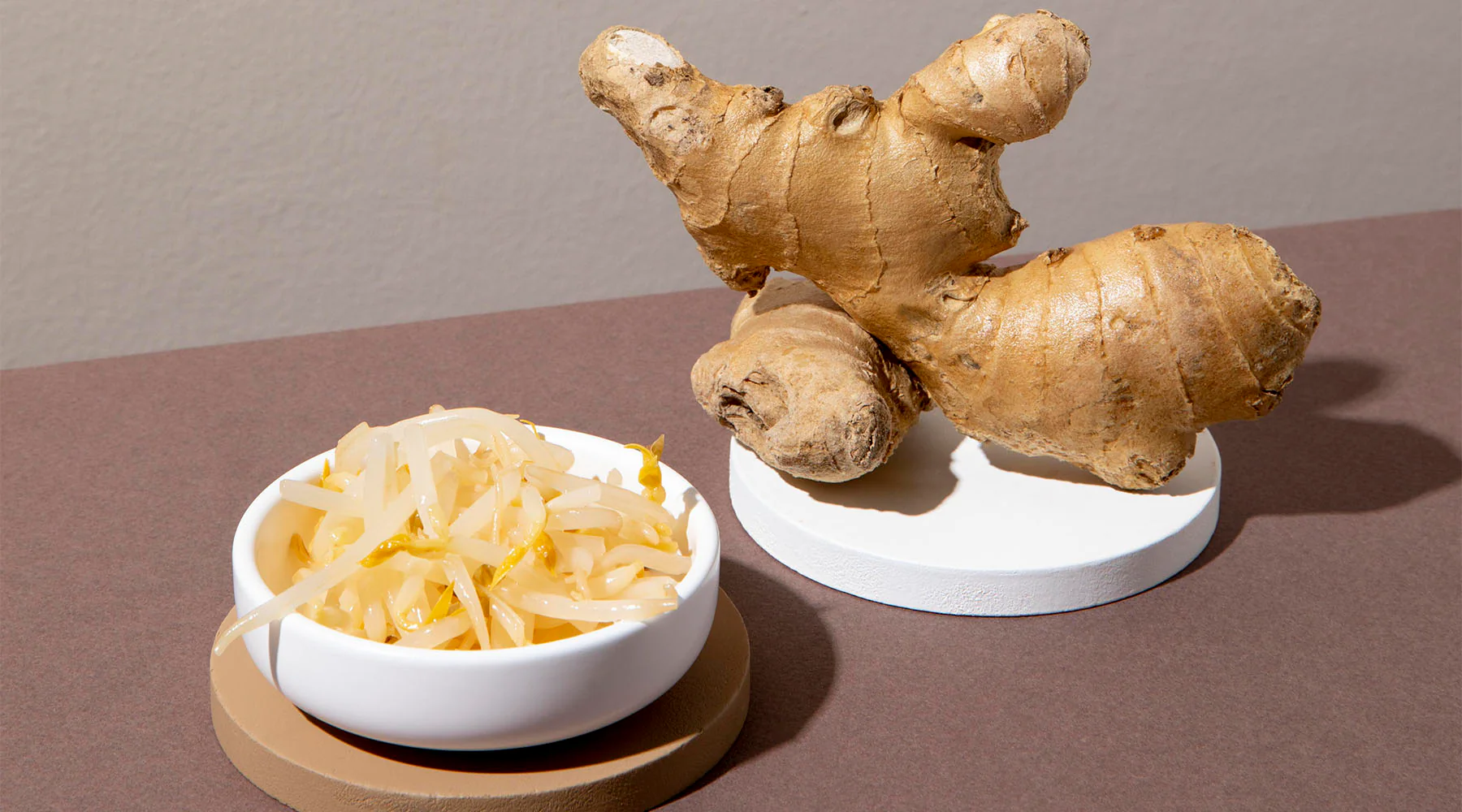
Ginger garlic paste is a widely used ingredient in the food industry, especially in sauces, ready-to-cook meals, seasonings, and catering supply chains. Compared with manual or small-scale preparation, industrial ginger garlic paste production ensures consistent flavor, food safety, longer shelf life, and higher efficiency.
This article explains how ginger garlic paste is made in a factory, covering raw material handling, processing steps, key control points, and equipment selection.
1. Raw Material Selection
High-quality ginger garlic paste starts with carefully selected raw materials.
Ginger selection:
- Fresh, mature rhizomes
- Strong aroma and low fiber content
- No mold, rot, or excessive dehydration
Garlic selection:
- Fully developed cloves
- High allicin content
- Firm texture, free from sprouting or decay
Factory tip:
Different markets prefer different ratios (e.g., 1:1, 2:1 ginger-to-garlic). Raw material quality directly affects paste color, pungency, and yield.
2. Washing and Cleaning
Fresh ginger and garlic often contain soil and impurities that must be removed before processing.
Industrial washing methods:
- Bubble washing machines
- Drum or spray washing systems
Key control point:
Washing water must be clean and continuously circulated or replaced to avoid cross-contamination.
3. Peeling Process
Peeling is a critical step that directly affects appearance and taste.
Common peeling methods:
- Ginger: Knife peeling or abrasive peeling
- Garlic: Pneumatic garlic peeling machines
Automated peeling improves:
- Labor efficiency
- Uniformity
- Hygiene standards
4. Sorting and Inspection
After peeling, ginger and garlic are visually or mechanically sorted to remove:
- Damaged pieces
- Moldy cloves
- Discolored raw materials
This step is essential to ensure consistent paste color and flavor.
5. Cutting and Pre-Crushing
Before grinding, ginger and garlic are cut into smaller pieces.
Purpose:
- Reduce load on grinding equipment
- Achieve uniform particle size
- Improve grinding efficiency
Industrial dicing or slicing machines are commonly used at this stage.
6. Grinding and Paste Making
This is the core step of ginger garlic paste production.
Equipment used:
- Colloid mills
- High-speed grinders
- Wet grinding systems
Key parameters:
- Grinding fineness (usually 80–120 mesh)
- Temperature control to avoid overheating
- Uniform paste texture without fiber separation
Important:
Excessive heat during grinding can cause oxidation and flavor loss, especially in garlic.
7. Mixing and Formula Adjustment
After grinding, the paste may be mixed to achieve the desired formulation.
Optional ingredients:
- Salt (for flavor and preservation)
- Vegetable oil (to improve texture)
- Food-grade preservatives (if required)
Mixing ensures:
- Uniform taste
- Stable viscosity
- Market-specific flavor standards
8. Deaeration (Optional but Recommended)
Ginger garlic paste contains natural enzymes that react with oxygen.
Deaeration benefits:
- Reduces oxidation
- Improves color stability
- Extends shelf life
Vacuum deaerators are commonly used in industrial lines.
9. Heat Treatment / Pasteurization
To ensure food safety and shelf stability, pasteurization is required.
Common methods:
- Tubular pasteurizers
- Scraped surface heat exchangers (for high-viscosity paste)
Key control point:
Temperature and holding time must be carefully balanced to kill microorganisms without damaging flavor.
10. Filling and Packaging
Pasteurized ginger garlic paste is filled under hygienic conditions.
Packaging options:
- Glass jars
- PET bottles
- Pouches
- Industrial aseptic bags
For export and long shelf life, aseptic filling systems are often used.
11. Cleaning and Hygiene (CIP System)
Due to the strong odor and sticky nature of ginger garlic paste, CIP (Clean-In-Place) systems are essential.
Benefits include:
- Preventing cross-flavor contamination
- Maintaining hygiene standards
- Reducing downtime between batches
Key Challenges in Ginger Garlic Paste Production
- Oxidation control
- Enzyme activity management
- Uniform grinding fineness
- Equipment corrosion resistance
- Strong odor management
A well-designed processing line addresses these challenges efficiently.