
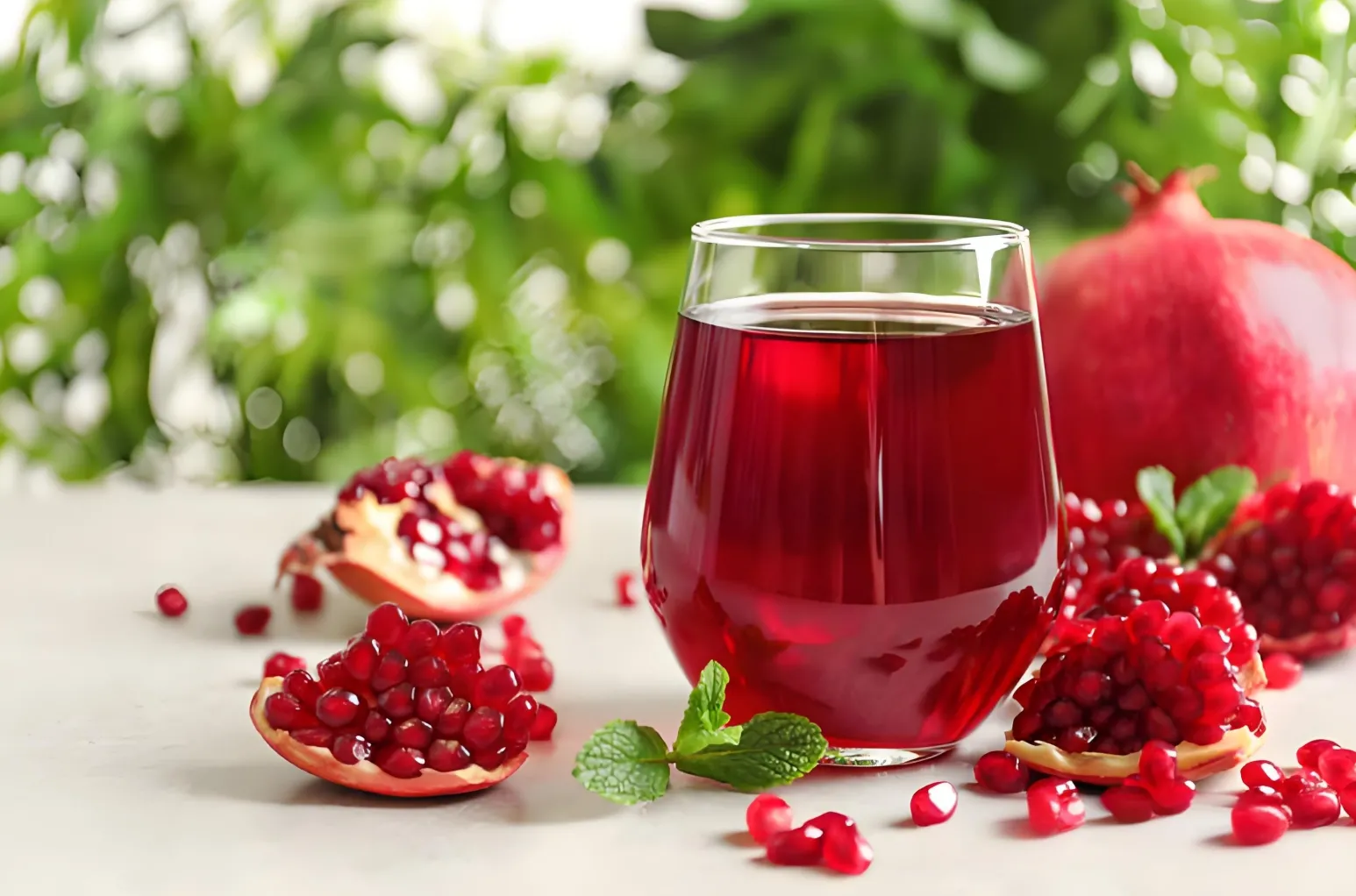
Pomegranate juice is widely appreciated for its distinctive taste, deep red color, and high antioxidant content. Understanding how pomegranate juice is made step by step helps producers achieve consistent quality and safety in industrial production. A standard pomegranate juice processing flow includes washing, seed separation, juicing, sterilization, and filling. Below is a detailed explanation of each stage.
1. Washing and Seed Separation
Once pomegranates arrive at the processing facility, they are thoroughly cleaned using bubble washing machines or high-pressure spray washers. This step removes surface dirt, dust, and other impurities, ensuring hygienic raw materials.
After washing, the fruits are fed into a pomegranate deseeding (threshing) machine, which efficiently separates the arils (seeds) from the peel and internal membranes. Proper separation is essential to prevent bitterness and improve juice quality.
2. Juicing
The separated pomegranate arils are transferred to a specialized pomegranate juice extractor. During pressing, the pressure must be carefully controlled to extract juice without crushing the seeds, as damaged seeds can release bitter compounds.
After extraction, the juice is filtered to remove residual pulp and fine solids, resulting in a smoother and clearer final product.
3. Sterilization
To ensure food safety and extend shelf life, the filtered pomegranate juice undergoes thermal sterilization. This process eliminates harmful microorganisms while preserving the juice’s natural color, flavor, and nutritional value when properly controlled.
4. Bottling and Packaging
Following sterilization, the juice is filled into bottles or other packaging formats under hygienic or aseptic conditions. Maintaining a sterile filling environment is critical to prevent recontamination and ensure product stability during storage and distribution.
Key Precautions in Pomegranate Juice Processing
To maintain high product quality and safety, manufacturers should pay attention to the following aspects during production:
1. Precise Pressure Control
Pomegranate seeds contain bitter substances. Excessive pressing force may crush the seeds and negatively affect the taste of the juice. Equipment settings should be adjusted carefully.
2. Strict Equipment Hygiene
Due to its high sugar content and strong pigmentation, pomegranate juice can easily adhere to equipment surfaces. Regular CIP (Clean-In-Place) cleaning is necessary to prevent residue buildup and bacterial growth.
3. Oxidation Prevention
Pomegranate juice is rich in polyphenols, which are sensitive to oxygen and prone to oxidation and discoloration. Limiting air contact throughout the processing line helps preserve color and nutritional value.