
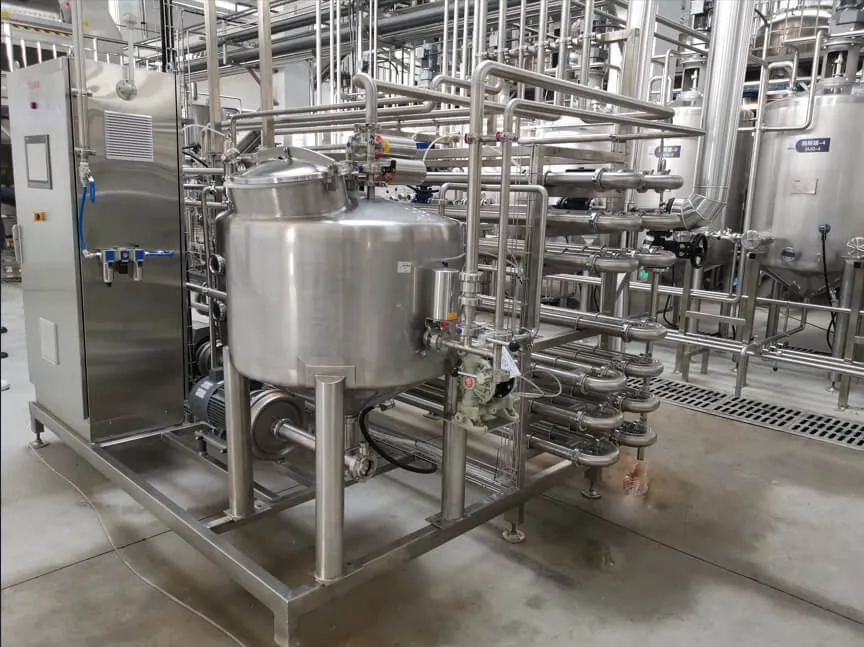
Starting a fruit juice processing plant is one of the most practical entry points into the food processing industry. With growing global demand for healthy beverages, juice products—from NFC juice to concentrates—have become a stable and scalable business. However, building a successful plant requires more than just purchasing equipment. It involves process design, raw material planning, cost control, and long-term operational strategy.
This guide explains how to start a fruit juice processing plant in China from a practical, engineering-oriented perspective.
Understanding Your Product Positioning Comes First
Before selecting any equipment, it is essential to define what type of juice you plan to produce. Different products require completely different processing lines and investment levels. For example, NFC (Not From Concentrate) juice focuses on freshness and minimal processing, while concentrated juice requires evaporation systems and higher energy input. Juice with pulp, clear juice, blended beverages, and functional drinks all have different process paths.
Your target market also plays a critical role. Export-oriented factories often require aseptic filling systems and stricter hygiene standards, while local markets may prioritize cost efficiency and flexible packaging. Without clear product positioning, it is easy to overinvest in unnecessary equipment or design a line that does not match market demand.
Raw Material Supply Determines Long-Term Stability
A fruit juice plant is only as stable as its raw material supply. Seasonal fluctuations, price changes, and fruit quality variations can directly affect production and profitability. Therefore, it is important to establish a reliable sourcing strategy before building the factory.
In China, many successful juice processors are located close to fruit-growing regions to reduce transportation costs and maintain freshness. For example, citrus processing plants are often built near orange-producing areas, while mango processing lines are placed in tropical regions. Some factories also invest in cold storage systems to extend the availability of raw materials and stabilize production throughout the year.
Consistent raw material quality helps maintain stable Brix levels, flavor, and color, which are critical for brand reputation and export standards.
Designing the Processing Line Based on Product Requirements
Once the product and raw materials are defined, the next step is to design the processing line. A typical fruit juice production process includes washing, sorting, crushing, juice extraction, filtration, pasteurization, and filling. However, the exact configuration varies depending on the fruit type and final product.
For example, citrus fruits require specialized extractors to prevent peel oil contamination, while mango processing requires peeling and destoning systems. Berry processing lines often include gentle handling systems to prevent damage and oxidation. Each fruit has its own processing logic, and selecting the right equipment is crucial for efficiency and product quality.
Modern processing lines in China are usually modular, allowing future expansion. This means you can start with a basic juice line and later add concentration, blending, or packaging modules as your business grows.
Equipment Selection Is About Efficiency, Not Just Price
Many first-time investors focus too much on equipment price and overlook long-term operational efficiency. In reality, the cost of running a plant—energy consumption, labor, maintenance, and downtime—often exceeds the initial equipment investment.
High-quality equipment offers better juice yield, lower energy consumption, and more stable performance. For example, efficient juice extractors can increase yield significantly, while advanced evaporators reduce steam consumption during concentration. Automated control systems also reduce labor costs and improve consistency.
Another important factor is hygiene design. Equipment should be easy to clean and compatible with CIP (Clean-In-Place) systems. This not only ensures food safety but also reduces cleaning time and water usage.
Choosing equipment based on total lifecycle cost rather than initial price is a key factor in long-term profitability.
Processing Technology Directly Affects Product Quality
Even with the best equipment, poor process control can lead to inconsistent product quality. Temperature, pressure, and processing time must be carefully managed at every stage.
For example, enzyme inactivation during preheating is critical for preventing browning and maintaining viscosity. Pasteurization must balance microbial safety with flavor preservation. Excessive heat can damage nutrients and aroma, while insufficient heat can compromise shelf life.
In concentration processes, vacuum evaporation is preferred because it allows water removal at lower temperatures, preserving natural flavor and color. Deaeration is also important for reducing oxidation, especially in products like apple juice and pomegranate juice.
A well-designed process ensures that the final product meets both sensory and safety standards consistently.
Packaging and Filling Define Market Competitiveness
Packaging is not just the final step—it is a key part of product positioning. Different markets require different packaging formats, such as PET bottles, glass bottles, cartons, or aseptic bags.
Aseptic filling systems are widely used in China for export-oriented production because they allow long shelf life without preservatives. Hot filling is more cost-effective and suitable for certain products, while cold filling may be used for premium beverages.
The choice of packaging affects not only shelf life but also transportation cost, storage conditions, and consumer perception. Therefore, it should be considered early in the plant design stage.
Automation and Control Systems Improve Efficiency
Modern juice processing plants rely heavily on automation. PLC control systems allow precise control of temperature, flow rate, pressure, and filling volume. This improves product consistency and reduces human error.
Automation also enables real-time monitoring and data collection, helping operators optimize production and detect issues early. For large-scale factories, automation is essential for maintaining efficiency and reducing labor costs.
However, the level of automation should match the production scale. Overly complex systems may increase costs without providing proportional benefits for smaller operations.
Cost Structure and Investment Planning
Starting a fruit juice processing plant involves several cost components, including equipment, factory construction, utilities, labor, and raw materials. Among these, equipment and utilities are usually the largest expenses.
Energy consumption, especially for heating and concentration, can significantly impact operating costs. Therefore, energy-efficient equipment and heat recovery systems are important investments.
It is also important to plan for scalability. Starting with a medium-capacity line and leaving space for expansion can reduce risk while allowing future growth.
A realistic financial plan should consider not only initial investment but also operating costs, maintenance, and market fluctuations.
Compliance, Hygiene, and Export Standards
Food safety regulations are becoming increasingly strict worldwide. A juice processing plant must comply with local and international standards, including hygiene design, traceability, and quality control.
In China, many factories are designed to meet export standards, incorporating stainless steel structures, closed processing systems, and automated cleaning. Proper layout design prevents cross-contamination and ensures smooth workflow.
Certification such as HACCP or ISO standards can enhance credibility and open access to international markets.
Conclusion: Building a Sustainable Juice Processing Business
Starting a fruit juice processing plant is a complex but highly scalable business. Success depends on more than just equipment—it requires a clear product strategy, reliable raw material supply, well-designed processing technology, and efficient operations.
China has become a major hub for fruit juice processing equipment and engineering solutions, offering flexible, cost-effective systems for global markets. With proper planning and execution, a juice processing plant can achieve stable production, consistent quality, and long-term profitability.
The key is to approach the project as a complete system—from raw fruit to final packaging—rather than a collection of individual machines.