
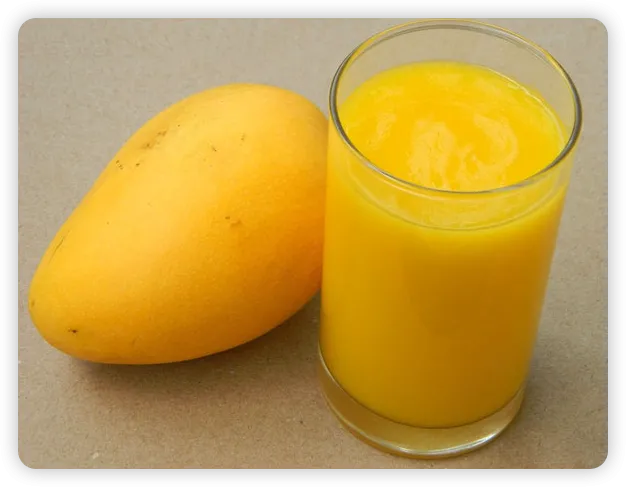
Mango juice is one of the most popular tropical fruit beverages worldwide, valued for its rich flavor, bright color, and high nutritional content. Behind every bottle or carton of mango juice is a highly controlled industrial process designed to ensure consistent taste, food safety, and large-scale production efficiency.
In a modern factory, mango juice production is far more complex than simple juicing. It involves a series of mechanical, thermal, and hygienic processes, each playing a critical role in product quality.
This article explains how mango juice is made in a modern factory, step by step.
1. Raw Mango Selection and Reception
The quality of mango juice starts with the raw fruit.
Key requirements for industrial mangoes:
- Proper ripeness (high Brix, balanced acidity)
- Uniform size and variety
- Free from mold, fermentation, and mechanical damage
In large factories, mangoes are received in bulk and unloaded into raw material handling systems, such as hydraulic dumpers or conveyor-fed receiving lines. Initial inspection removes visibly damaged fruit before processing.
2. Washing and Cleaning
Raw mangoes carry dust, soil, pesticide residues, and microorganisms. Thorough cleaning is essential for food safety.
Typical washing process:
- Bubble washing or drum washing to remove dirt
- High-pressure spray rinsing
- Optional sanitizing step using food-grade disinfectants
Modern washing systems are designed to minimize water consumption while maximizing cleaning efficiency, often incorporating water recycling and filtration systems.
3. Sorting and Grading
Sorting ensures only suitable mangoes enter the juice line.
Sorting criteria:
- Size and weight
- External defects
- Overripe or underripe fruit
This step can be done manually or, in advanced factories, by automatic optical sorting machines using cameras and sensors. Sorting improves yield stability and prevents off-flavors caused by defective fruit.
4. Peeling, Destoning, and Pulping
Unlike citrus fruits, mangoes require more complex preparation due to their thick skin and large seed.
Industrial processing includes:
- Mechanical peeling
- Seed removal (destoning)
- Pulp extraction using mango pulpers or refiners
The pulper separates mango pulp from fibers and residual peel, producing a smooth, semi-liquid mango puree. Multiple refining stages may be used depending on the desired texture.
5. Pulp Refining and Standardization
At this stage, the mango pulp is adjusted to meet product specifications.
Key parameters controlled:
- Pulp fineness
- Fiber content
- Brix (sugar level)
- Acidity (pH)
Water, sugar syrup, or other ingredients may be added depending on whether the final product is:
- 100% mango juice
- Mango nectar
- Mango juice drink
This step ensures consistent taste and mouthfeel across batches, which is critical for branded beverages.
6. Deaeration and Homogenization
Deaeration
Air trapped in mango juice can cause:
- Oxidation
- Color degradation
- Loss of flavor
Vacuum deaerators remove dissolved oxygen, improving shelf life and sensory quality.
Homogenization
High-pressure homogenizers break down pulp particles, resulting in:
- Stable suspension
- Smooth texture
- Reduced separation during storage
7. Pasteurization or Sterilization
Thermal processing is essential to eliminate microorganisms and enzymes.
Common methods:
- Plate or tubular pasteurization (for chilled juice)
- UHT sterilization (for aseptic juice)
Temperature and holding time are precisely controlled to balance microbial safety and nutrient retention. Modern systems use automated temperature monitoring and CIP-compatible designs.
8. Aseptic Filling and Packaging
After heat treatment, mango juice is transferred to filling machines under hygienic or aseptic conditions.
Packaging options include:
- PET bottles
- Glass bottles
- Aseptic cartons
- Bag-in-box for industrial use
Fully automated filling lines reduce contamination risks and support high-speed production, meeting global food safety standards.
9. Cleaning-In-Place (CIP) and Quality Control
Modern mango juice factories rely on CIP systems to clean pipelines, tanks, and equipment without disassembly. This ensures:
- Hygiene compliance
- Reduced downtime
- Consistent product safety
Quality control tests are conducted throughout production, including:
- Brix and pH measurement
- Microbial testing
- Sensory evaluation