
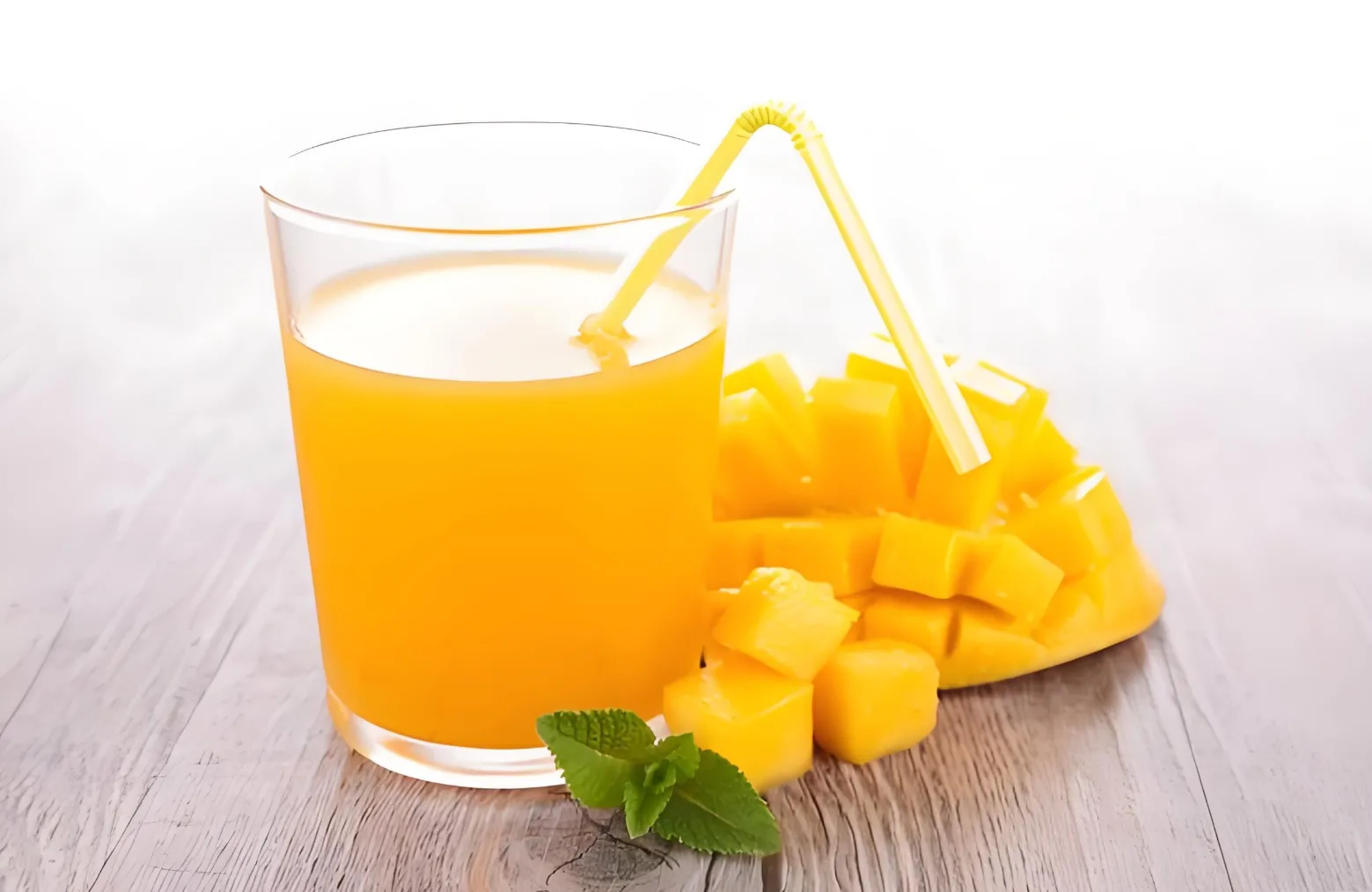
Mango pulp is widely used in juice, beverage, baby food, jam, dairy, and bakery industries. In modern food factories, the mango pulp production process requires strict control of washing, peeling, pulping, refining, sterilization, and aseptic filling to ensure natural color, smooth texture, and long shelf life.
This article explains the complete industrial mango pulp manufacturing process, key equipment, and important technical points used in modern mango processing plants.
1. Overview of Mango Pulp Production
Industrial mango pulp is produced using a continuous processing line designed for high efficiency, hygienic operation, and stable product quality.
Typical mango pulp production flow:
Fresh mango
→ Washing
→ Sorting
→ Peeling & Destoning
→ Crushing
→ Pulping & Refining
→ Preheating
→ Deaeration
→ Sterilization
→ Aseptic Filling
Depending on the final product, the pulp can be used for:
- Mango juice
- Mango puree
- Mango concentrate
- Baby food
- Yogurt & dairy products
- Jam & sauce
Different mango varieties and product standards require different equipment configurations.
2. Raw Mango Selection
High-quality mango pulp starts with proper raw material selection.
Suitable mango for processing should have:
- High maturity
- Bright natural color
- Strong aroma
- High pulp content
- Low fiber
- No rot or mold
Common industrial varieties include:
- Alphonso
- Totapuri
- Kent
- Tommy Atkins
- Carabao
Different varieties affect:
- Yield
- Color
- Flavor
- Viscosity
- Brix level
Modern factories often install sorting conveyors to remove damaged fruit before processing.
3. Washing and Cleaning
Fresh mangoes must be thoroughly washed before entering the processing line.
Common washing equipment:
- Bubble washing machine
- Spray washing machine
- Brush washing machine
Functions:
- Remove soil
- Remove pesticide residue
- Remove leaves and dust
Technical points:
- Use clean circulating water
- Avoid strong impact
- Prevent fruit damage
Proper washing improves hygiene and reduces microbial contamination.
4. Peeling and Destoning
Unlike apples or tomatoes, mango requires peeling and stone removal.
Industrial mango processing uses:
- Mango peeling machine
- Mango destoner
- Mango pulper with stone separator
Purpose:
- Remove peel
- Remove seed
- Keep maximum pulp
Good peeling and destoning improve pulp yield and reduce waste.
Manual peeling is not suitable for large-scale factories.
5. Crushing and Pulping
After peeling, mango flesh enters the crushing and pulping system.
Equipment used:
- Crusher
- Single-stage pulper
- Double-stage pulper
- Refiner
Functions:
- Break fruit tissue
- Separate fiber
- Remove small impurities
- Produce smooth pulp
Multi-stage pulping improves:
- Texture
- Yield
- Quality
- Stability
Mesh size is selected according to product requirement.
6. Preheating and Enzyme Inactivation
Mango pulp contains enzymes that can affect color and viscosity.
Therefore, pulp must be heated quickly after pulping.
Typical temperature:
80–95°C
Purpose:
- Inactivate enzymes
- Prevent browning
- Maintain viscosity
- Improve sterilization effect
Heat treatment is usually done using:
- Tubular heater
- Plate heat exchanger
Temperature must be precisely controlled.
7. Deaeration
During pulping, air enters the mango pulp.
Air can cause:
- Oxidation
- Color change
- Vitamin loss
- Foam during filling
Deaerator is used to remove air.
Benefits:
- Better color
- Longer shelf life
- Stable filling
- Improved taste
Deaeration is important for export-quality mango pulp.
8. Sterilization
Before packaging, mango pulp must be sterilized.
Common equipment:
- Tubular sterilizer
- UHT sterilizer
Purpose:
- Kill microorganisms
- Ensure food safety
- Extend shelf life
Key control points:
- Temperature
- Holding time
- Flow stability
Incorrect sterilization may cause spoilage or color change.
9. Aseptic Filling
Industrial mango pulp is usually packed using aseptic filling systems.
Common packaging types:
- Aseptic bag in drum
- Bag in box
- Tin can
- Glass bottle
Aseptic filling advantages:
- No preservatives
- Long storage time
- Suitable for export
- Safe transportation
The filling room must meet hygienic standards.
10. Key Equipment in Mango Pulp Production Line
A complete mango pulp processing line usually includes:
- Washing machine
- Sorting conveyor
- Peeling & destoning machine
- Crusher
- Pulper & refiner
- Preheater
- Deaerator
- Sterilizer
- Aseptic filling machine
- CIP cleaning system
Modern mango processing plants use PLC automatic control for stable operation.
11. How Modern Mango Processing Plants Improve Efficiency
Advanced mango pulp production lines focus on:
- High pulp yield
- Low waste rate
- Energy saving heating
- Automatic control
- Hygienic design
- Continuous production
A well-designed line can:
- Reduce labor cost
- Improve product quality
- Increase factory output
- Meet export standards
Proper engineering design is essential for large-scale mango pulp production.