
Pineapple juice production in China has seen rapid modernization due to the increasing demand for fresh, nutrient-rich juice products. A commercial pineapple juice machine integrates multiple steps—from raw fruit washing and peeling to juice extraction, filtration, pasteurization, and packaging—into a highly automated industrial line.
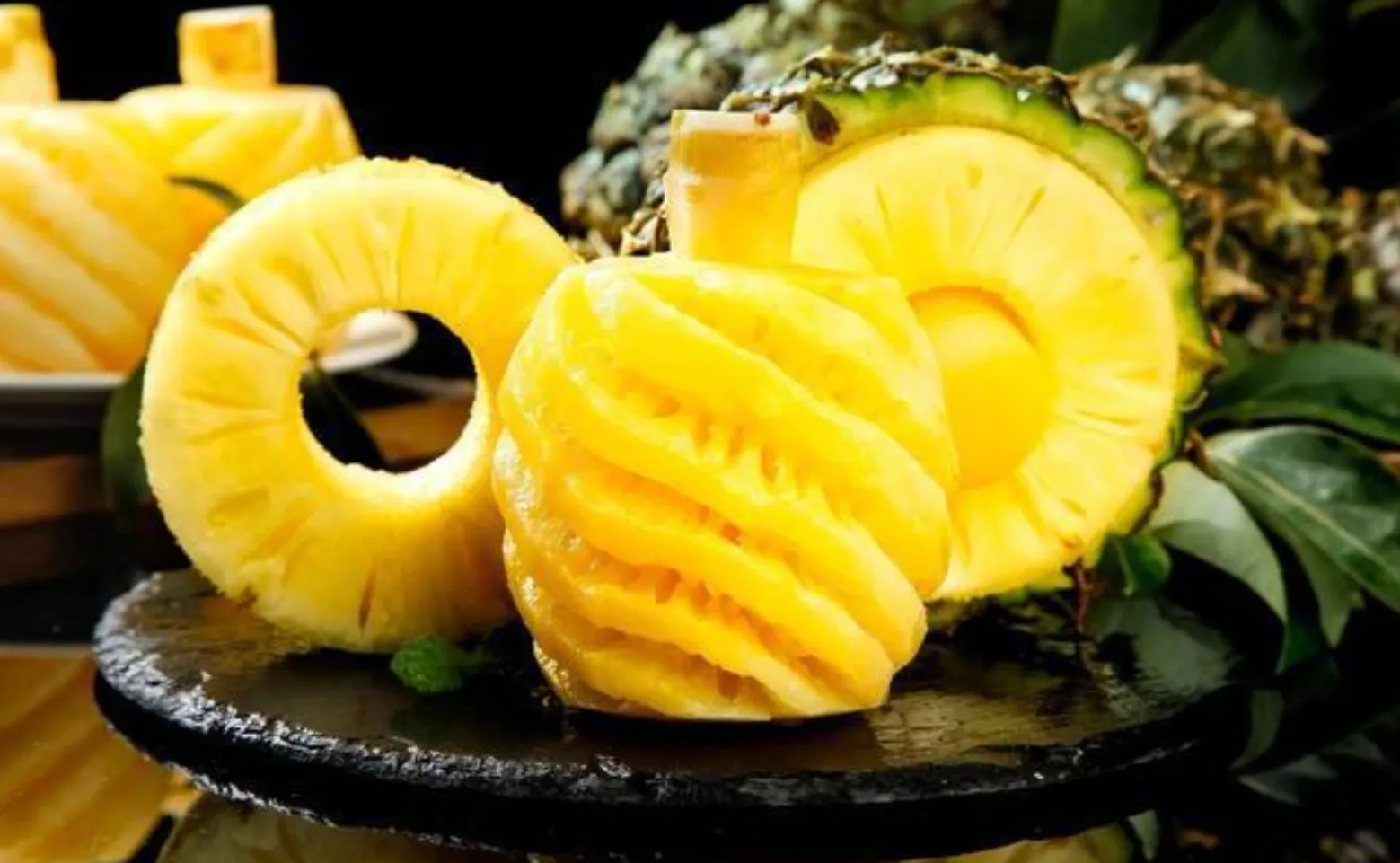
The process begins with sorting and washing, where pineapples are separated by ripeness and size. Bubble washing or spray washing ensures that dirt, pesticide residues, and microbial contaminants are removed. The fruits are then peeled using automated peeling machines that minimize waste while preserving the edible portion.
Juice extraction is performed with high-capacity presses or screw extractors. Controlling the extraction pressure is crucial to avoid excessive fiber or bitterness in the juice. After extraction, the juice is filtered to remove residual fibers and pulp particles. Depending on the end product, juice can be concentrated under vacuum to achieve the desired Brix level, preserving aroma, flavor, and nutrients.
Pasteurization or high-pressure processing ensures microbiological safety. KAAE’s pineapple juice lines include automated CIP (Clean-in-Place) systems to reduce labor and prevent cross-contamination. The final juice is then filled aseptically into bottles, Tetra Pak cartons, or pouches, ready for distribution to domestic and international markets.
Optional modules like aroma recovery, cold storage, and inline quality control help manufacturers maintain consistent juice quality while maximizing yield and efficiency.