
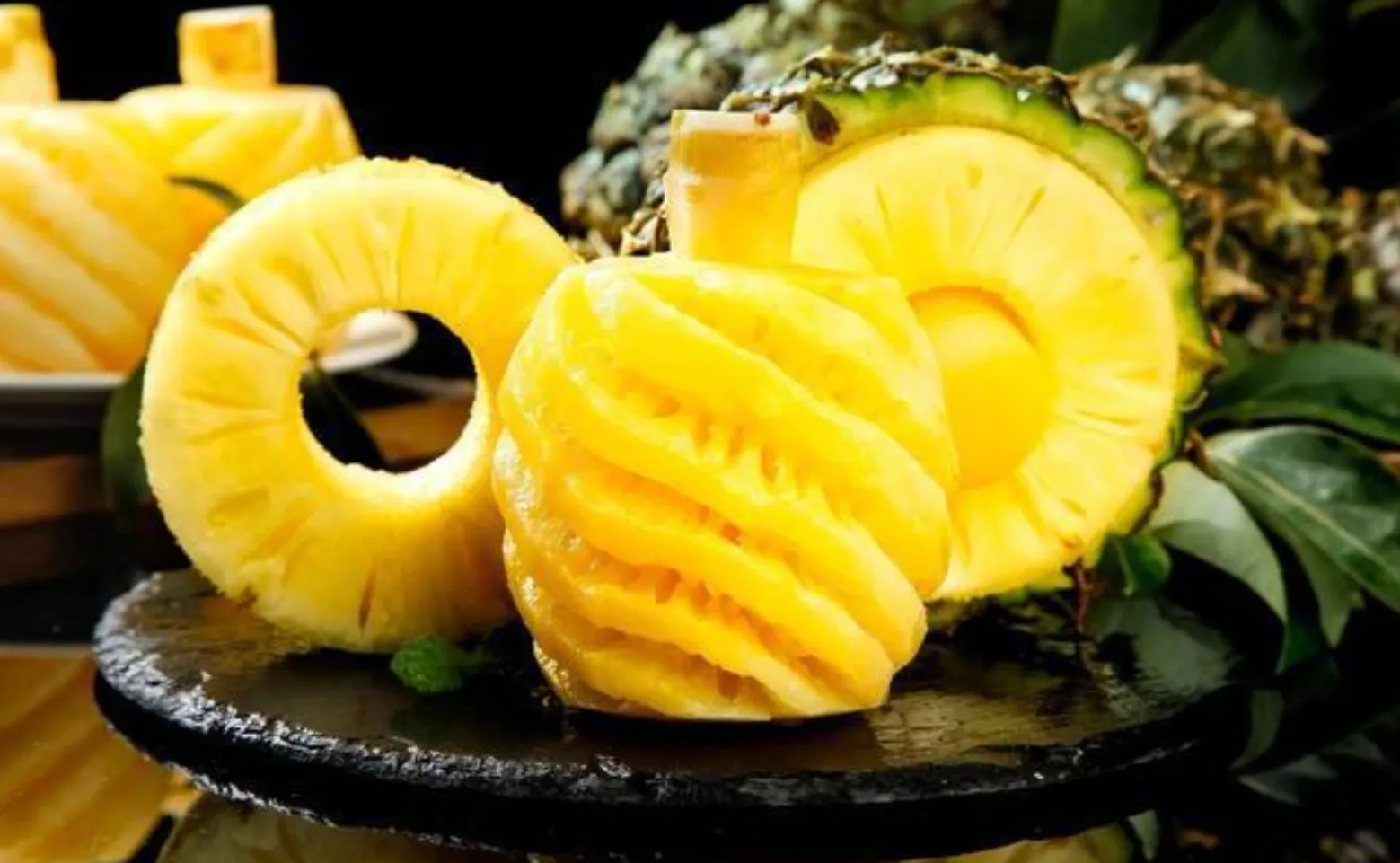
With the global demand for tropical fruit beverages steadily increasing, pineapple juice has become one of the most commercially valuable juice products. For manufacturers, choosing the right pineapple juice processing line and equipment is not only about juice extraction, but also about efficiency, product quality, automation level, and long-term operating cost.
This article provides a professional overview of pineapple juice processing systems, covering commercial machines, manual and automatic options, price factors, and complete factory solutions.
1. What Is a Pineapple Juice Processing Line?
A pineapple juice processing line is a complete industrial system designed to convert fresh pineapples into juice products through a series of standardized processes. Unlike standalone machines, a full processing line integrates multiple units to ensure hygiene, consistency, and scalable production.
A typical pineapple juice processing line includes:
- Raw material handling and washing
- Peeling, coring, and crushing
- Juice extraction
- Filtration and clarification
- Pasteurization
- Filling and packaging
Depending on production capacity and target market, the line can be semi-automatic or fully automatic.
2. Commercial Pineapple Juice Machines: Key Characteristics
A commercial pineapple juice machine is designed for continuous operation and stable output, far exceeding household or small shop equipment.
Key features include:
- High juice yield with controlled fiber content
- Food-grade stainless steel construction
- Compatibility with fresh or pre-processed pineapples
- Easy integration into existing processing lines
Commercial machines are commonly used in:
- Beverage factories
- Fruit processing plants
- Juice concentrate producers
- OEM juice suppliers
For medium to large-scale production, commercial equipment significantly reduces labor dependency and improves product consistency.
3. Manual vs Automatic Pineapple Juice Processing Equipment
Manual Pineapple Juice Machines
Manual or semi-manual pineapple juice machines are suitable for:
- Small workshops
- Start-up juice businesses
- Pilot production
Advantages:
- Lower initial investment
- Simple structure
- Easy operation
Limitations:
- Low capacity
- High labor cost
- Inconsistent juice quality
Automatic Pineapple Juice Processing Machines
Automatic systems are designed for industrial use and modern juice factories.
Advantages:
- Continuous operation
- Stable juice quality
- High efficiency and yield
- Reduced labor and contamination risk
Automatic pineapple juice processing machines are essential for companies targeting export markets or large retail distribution.
4. Pineapple Juice Processing Line Workflow (Factory Level)
Step 1: Washing and Sorting
Fresh pineapples are cleaned using bubble or spray washing machines to remove dirt, sand, and surface residues. Sorting systems remove damaged or unqualified fruit.
Step 2: Peeling, Coring, and Crushing
Industrial pineapple peelers and crushers remove skin and cores efficiently, preparing the fruit for juice extraction while minimizing waste.
Step 3: Juice Extraction
Juice is extracted using screw presses or belt presses. Pressure is carefully controlled to avoid excessive fiber or bitterness.
Step 4: Filtration and Clarification
Depending on product positioning:
- Clear juice requires fine filtration or centrifugation
- Cloudy juice undergoes mild filtration to retain pulp
Step 5: Pasteurization
Plate or tubular pasteurizers eliminate microorganisms while preserving flavor and color.
Step 6: Filling and Packaging
Juice is filled into bottles, cartons, or aseptic bags under hygienic conditions, ready for storage or distribution.
5. Pineapple Juice Machine Price: What Affects the Cost?
The pineapple juice machine price varies widely depending on several factors:
- Processing capacity (kg/h or tons/day)
- Automation level (manual, semi-automatic, fully automatic)
- Material quality (SUS304 vs SUS316)
- Degree of integration (single machine vs complete line)
- Customization requirements
Price ranges:
- Manual machines: low investment, suitable for small-scale use
- Commercial single machines: mid-range pricing
- Complete pineapple juice factory lines: higher investment but lower unit production cost
For long-term production, investing in a complete processing line often offers better ROI than purchasing isolated machines.
6. Pineapple Juice Factory: Choosing the Right Solution
When planning a pineapple juice factory, manufacturers should consider:
- Daily raw material supply
- Target market (fresh juice, NFC, concentrate)
- Local labor costs
- Hygiene and food safety regulations
- Future expansion plans
A well-designed pineapple juice processing line ensures:
- Stable product quality
- Efficient energy use
- Easy cleaning (CIP systems)
- Compliance with international standards
7. Why Integrated Pineapple Juice Processing Equipment Matters
Using integrated pineapple juice processing equipment instead of fragmented machines offers clear advantages:
- Reduced material loss
- Better process control
- Lower contamination risk
- Simplified operation and maintenance
For modern juice producers, integration is no longer optional—it is a key factor in competitiveness.