
One of the most common questions for investors entering the fruit processing industry is the cost of building a juice production plant. While there is no fixed answer, understanding the cost structure can help you make more informed decisions and avoid unexpected expenses.
The total investment typically includes equipment cost, factory construction, utilities, labor, and raw materials. Among these, processing equipment and infrastructure are the largest initial expenses, while energy and raw materials dominate long-term operating costs.
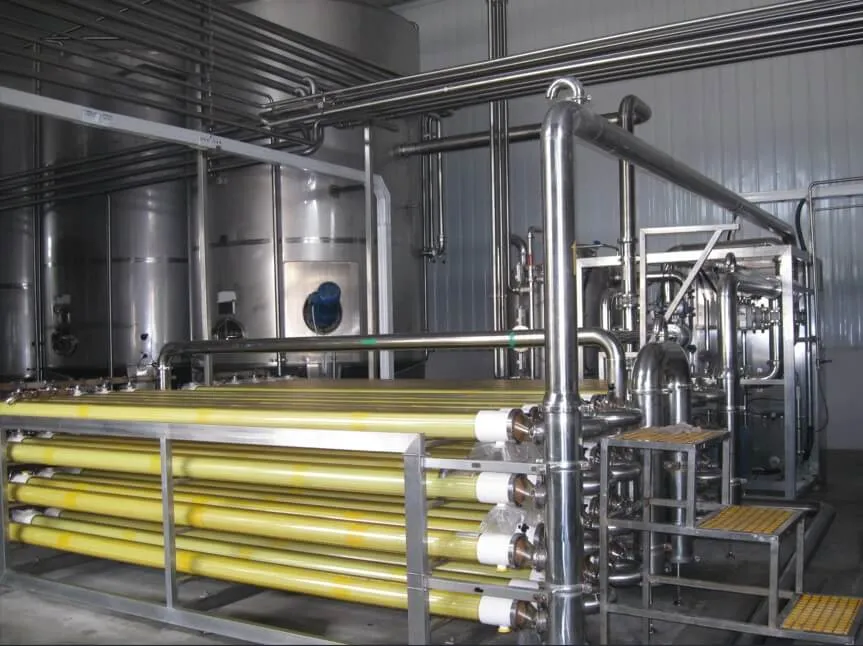
The cost of equipment depends heavily on production capacity and product type. A small-scale juice line with basic washing, crushing, and filling functions requires relatively low investment. In contrast, a large-scale industrial line with concentration systems, aseptic filling, and full automation can require significantly higher capital. For example, adding a vacuum evaporator for juice concentration or an aseptic filling system can increase the overall cost substantially, but these investments also open access to higher-value markets.
Factory construction is another major component. This includes building structure, flooring, drainage systems, and hygienic layout design. Food processing plants must meet strict sanitation standards, so materials and layout must support easy cleaning and prevent contamination. Poor factory design can lead to long-term operational inefficiencies and higher maintenance costs.
Utilities are often underestimated but play a crucial role in overall cost. Juice processing requires water, electricity, and often steam for heating and pasteurization. Energy consumption becomes especially important in processes like concentration and drying. Investing in energy-efficient equipment and heat recovery systems can significantly reduce operating costs over time.
Labor costs vary depending on the level of automation. Highly automated lines require fewer operators but higher technical expertise. In contrast, semi-automatic lines have lower upfront costs but higher ongoing labor expenses. Finding the right balance between automation and cost is essential.
Raw material cost is another critical factor. Fruit prices can fluctuate seasonally, and supply chain stability directly affects production planning. Many successful factories in China establish long-term partnerships with growers or invest in storage facilities to manage supply variations.
It is also important to consider hidden costs, such as maintenance, spare parts, downtime, and compliance with food safety regulations. These factors can significantly impact profitability if not properly planned.
From a strategic perspective, it is often better to design a plant with scalability in mind. Starting with a moderate capacity and leaving room for expansion allows you to reduce initial risk while maintaining flexibility for future growth.
Ultimately, the cost of a fruit juice processing plant should not be viewed as a single number, but as a balance between investment, efficiency, and long-term return. A well-planned plant can achieve stable production and strong profitability over time.